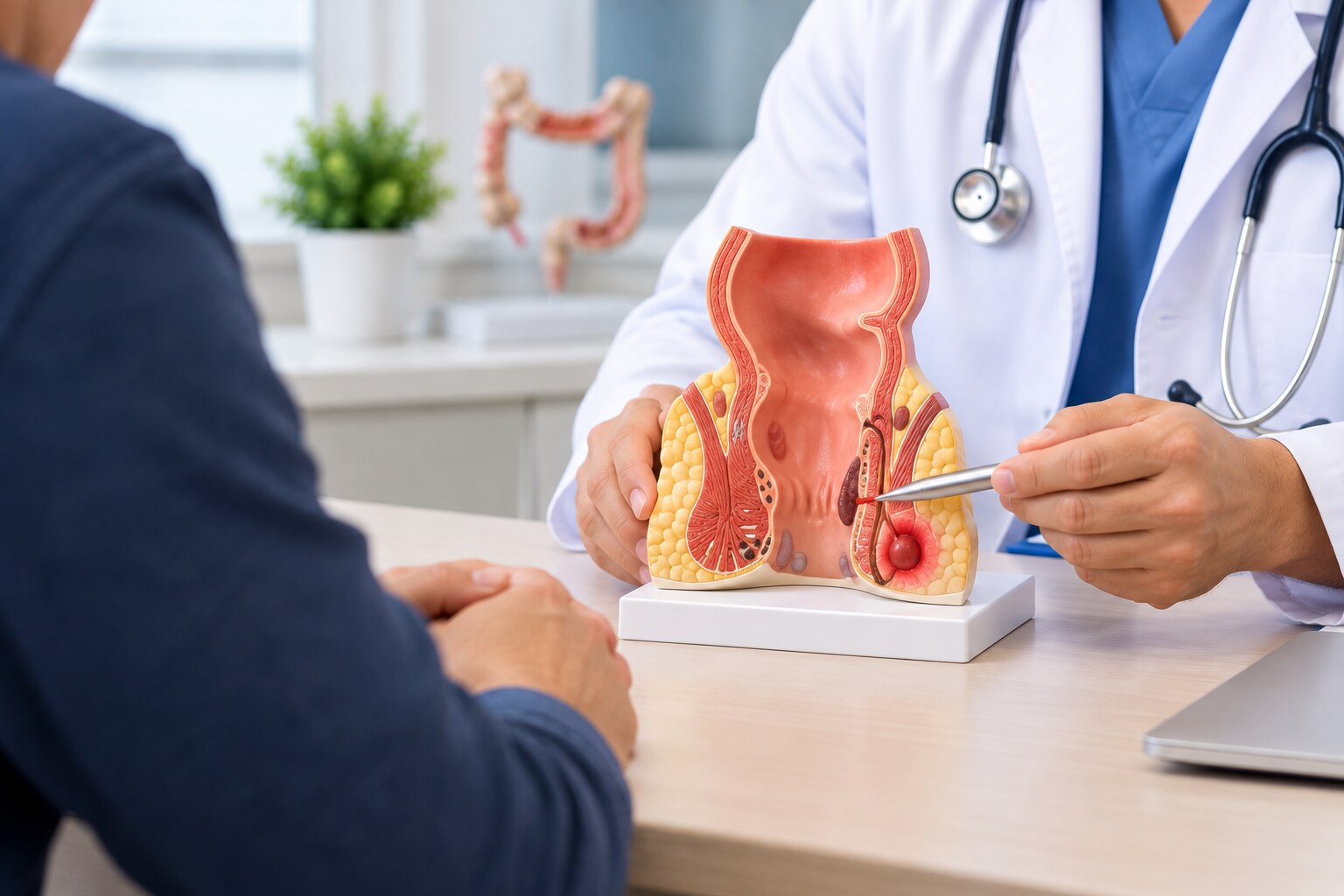
Constant anal pain, a tender swelling, pus or fever can indicate an abscess that needs prompt drainage, while persistent discharge from a skin opening points toward a fistula. You will be able to recognise urgent warning signs, understand the tests and treatments used, and compare specialist care based on anatomy, safety and follow-up rather than on a promised one-session cure.
Key takeaways
- Throbbing pain, swelling and fever point toward an abscess needing prompt assessment.
- MRI pelvis or endoanal ultrasound can map a deep abscess or complex fistula.
- Drainage treats an abscess; antibiotics alone do not remove trapped pus.
- Choose fistula treatment by tracing the tract and protecting the anal sphincter.
Abscess, fistula or another perianal problem: how can you tell?
Constant, throbbing pain with tenderness, swelling or fever points more toward a perianal abscess than a fistula. A deep abscess can cause severe pain with little visible swelling, so do not judge severity by appearance alone. A perianal abscess specialist or a search for “fistula clinic near me” cannot replace urgent assessment when symptoms escalate.
- Anal fistula: An external opening repeatedly leaks pus or blood, settles briefly, then swells and becomes painful again.
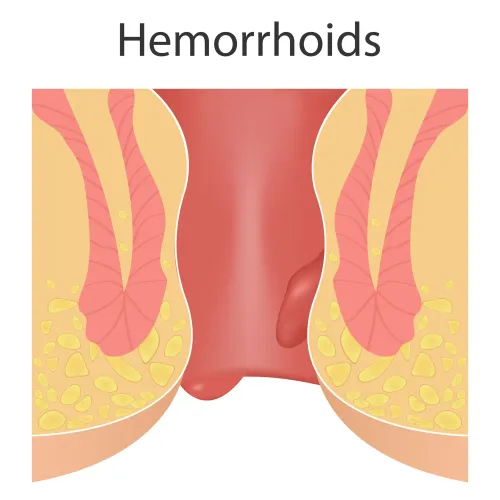
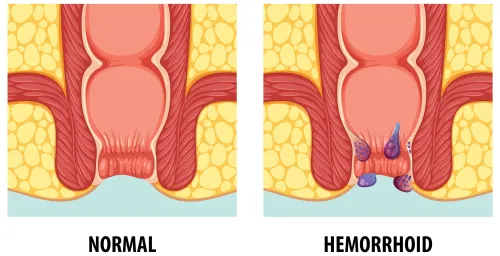
- Haemorrhoid: Bright-red bleeding, itching or a lump are typical; constant throbbing pain suggests another problem.
- Anal fissure: Sharp, cutting pain occurs during and after passing stool.
- Infected skin cyst: A discrete, tender skin lump is the usual finding.
- Hidradenitis suppurativa: Recurrent boils or multiple draining areas affect the groin, armpits or buttocks.
- Pilonidal sinus: Hair and skin pits sit in the natal cleft above the anus. This is different from an anal fistula, which usually connects the anal canal or rectum with nearby skin.
- Abscess: Infection produces persistent pain and swelling; drainage can leave a fistula if an abnormal tract remains.
Seek same-day care for any of these warning signs:
- Fever or chills
- Rapidly worsening constant pain
- Spreading redness
- Inability to pass urine
- Confusion or severe weakness
- Diabetes or another condition that impairs immunity
Do not wait for a routine appointment when these occur.
How does a specialist locate the abscess or map a fistula?
A specialist starts by inspecting the skin for swelling, redness, cellulitis and external openings. They palpate for tenderness or fluctuance, then perform a digital rectal examination when pain allows. Proctoscopy examines the anal canal and can help locate an internal fistula opening.
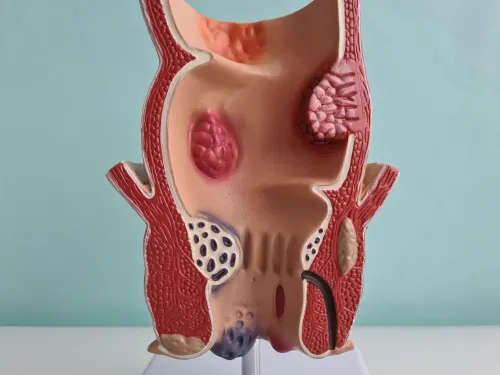
Depth determines the urgency and setting of care. A superficial perianal abscess lies just beneath the skin. An intersphincteric abscess sits between the sphincter muscles; an ischiorectal abscess lies in the fat beside the anal canal; and a supralevator abscess lies above the pelvic floor.
Intersphincteric, ischiorectal, supralevator and horseshoe collections can require examination under anaesthesia, operating-room drainage or hospital care.
A fistula specialist in Bangalore or perianal abscess specialist may recommend imaging when examination cannot show the full tract:
- MRI pelvis: recurrent, occult, deep or complex abscesses; suspected fistulas; multiple external openings; suspected Crohn-related disease; or secondary extensions.
- Endoanal ultrasound: selected cases where the anal wall and sphincter relationship need closer assessment.
- CT: selected urgent cases, especially when broader pelvic or abdominal infection must be assessed.
Imaging is unnecessary for every clinically obvious superficial abscess. The scan should answer a management question, not delay drainage of a clear, urgent collection.
What happens when a perianal abscess needs treatment?
Drainage is the main treatment for a typical perianal abscess; antibiotics alone do not replace it. The clinician makes an opening, breaks up internal pockets, irrigates the cavity and decides whether packing or a drain is needed. Pain relief, wound-care instructions and a review follow to confirm that swelling, pain and discharge are settling.
- First superficial abscess: prompt incision and drainage may be completed through a day-care pathway when you are otherwise well.
- Abscess with an established fistula: drainage controls the infection, but the connecting tract needs separate assessment before definitive anal fistula treatment in Bangalore.
- Recurrent abscess: ask for review of diabetes, immunosuppressant medicines, Crohn’s disease, hidradenitis suppurativa and atypical infection, rather than repeated drainage alone.
- Horseshoe abscess: a collection extending across both sides of the anus or buttock crease can need wider drainage, anaesthesia and hospital support.
Antibiotics are added for fever or other systemic infection, spreading cellulitis, immunosuppression, diabetes-related risk or another high-risk condition. A culture specimen is considered when infection recurs, looks atypical or fails to improve as expected.
A draining abscess does not guarantee that a fistula will never develop. Arrange reassessment for persistent drainage, recurrent pain or a non-healing opening; these findings can signal a remaining tract or deeper collection.
How is fistula treatment chosen without risking continence?
Fistula treatment balances two goals: eradicate the infected tract while preserving the anal sphincter and continence. Fistulotomy suits a superficial or low fistula when dividing little sphincter muscle is safe; a high trans-sphincteric tract needs a different plan.
1. Map the tract, internal opening, secondary branches and sphincter involvement, using examination under anaesthesia and MRI pelvis when the disease is recurrent, deep, complex or unclear.
2. Choose fistulotomy only when the expected muscle division is safe. Substantial sphincter involvement may require a staged, sphincter-sparing approach, such as a draining seton followed by LIFT or an advancement flap.
3. Understand the seton’s purpose: it keeps the tract open, controls ongoing sepsis and permits drainage. It is often a bridge to later treatment, not a definitive cure.
4. Investigate Crohn’s disease when fistulas are multiple, recurrent or unusually complex, or when diarrhoea, abdominal symptoms or other perianal inflammation is present. Active Crohn’s disease may need medicines alongside drainage and seton management; fistula surgery alone can fail.
Laser and other energy-based techniques may reduce sphincter injury, but the label does not guarantee healing. Variable healing, recurrence, repeat procedures and patient selection matter more than the device. Ask a fistula specialist in Bangalore to explain these trade-offs before choosing anal fistula treatment in Bangalore, including the plan if drainage persists or continence changes.
How should you choose a fistula and perianal abscess specialist in Bangalore?
Choose a fistula and perianal abscess specialist in Bangalore by the escalation plan, not the procedure label. A small superficial collection may suit day-care drainage; a deep abscess or systemically unwell patient needs urgent hospital-capable care.
| Setting | Suitable situation | Confirm before treatment |
|---|---|---|
| Day-care clinic | Small, superficial, stable collection | Drainage, anaesthesia and review arrangements |
| Hospital-capable service | Deep, intersphincteric, ischioanal, supralevator or horseshoe abscess | Operating-room drainage and admission access |
| Specialist colorectal pathway | High, recurrent, branching or Crohn’s-related fistula | MRI pelvis, examination under anaesthesia and staged treatment |
Use this comparison checklist when searching for a “fistula clinic near me”:
- Does the clinician regularly perform colorectal or anorectal surgery?
- How will sphincter involvement be assessed, and when will MRI pelvis or examination under anaesthesia be used?
- What happens if the abscess is deep, horseshoe-shaped or requires operating-room drainage?
- Are continence-preserving options, such as a seton, LIFT or advancement flap, appropriate?
- How will diabetes, immunosuppressants, Crohn’s disease or hidradenitis be reviewed?
- Who manages persistent drainage, recurrent swelling or a non-healing opening?
Bharath Piles And Fistula Clinic can be one Bangalore consultation option; compare its examination, escalation plan, anaesthesia access, imaging pathway and follow-up, not promises of scarless, laser or universal one-session treatment.
Seek same-day assessment for fever, chills, worsening pain, urinary difficulty or systemic illness. Arrange specialist review for recurrent swelling or a non-healing opening.
Frequently asked questions
How can you distinguish a perianal abscess from a fistula?
A perianal abscess usually causes constant throbbing pain, tenderness, swelling or fever. A fistula often causes recurring drainage from a small opening after an abscess has settled. Severe pain with little visible swelling can indicate a deep abscess, so seek urgent assessment when symptoms escalate.
How does a specialist locate an abscess or map a fistula?
Assessment starts with an examination. For a deep abscess or complex fistula, the specialist may use MRI of the pelvis or endoanal ultrasound to identify the abscess cavity, internal opening and tract’s relationship to the anal sphincter.
What happens when a perianal abscess needs treatment?
The main treatment is opening and draining the trapped pus. A clinician decides whether local or general anaesthesia is appropriate. Antibiotics support treatment when infection has spread, you have fever or specific medical risks, but they do not replace drainage of a collection.
How is fistula treatment chosen without risking continence?
The choice depends on the tract’s internal opening, branches and involvement of the sphincter muscles. A straightforward low tract may suit fistulotomy, while a tract crossing more sphincter requires a sphincter-sparing option. Ask how the proposed procedure protects continence and what follow-up it requires.
How should you choose a fistula and perianal abscess specialist in Bangalore?
Choose a specialist who examines you promptly, explains whether you have an abscess, fistula or another condition, uses imaging when the tract is deep or complex, and discusses drainage, recurrence, continence risk, anaesthesia and follow-up before treatment. Confirm where emergencies are handled if symptoms worsen.
Keywords