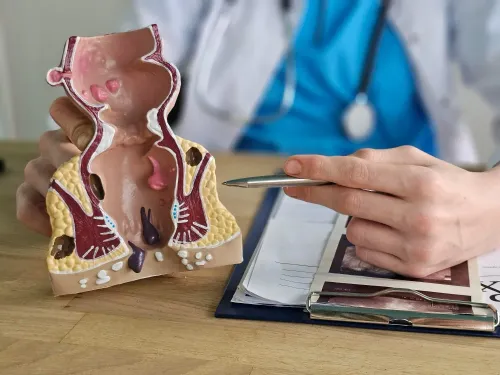
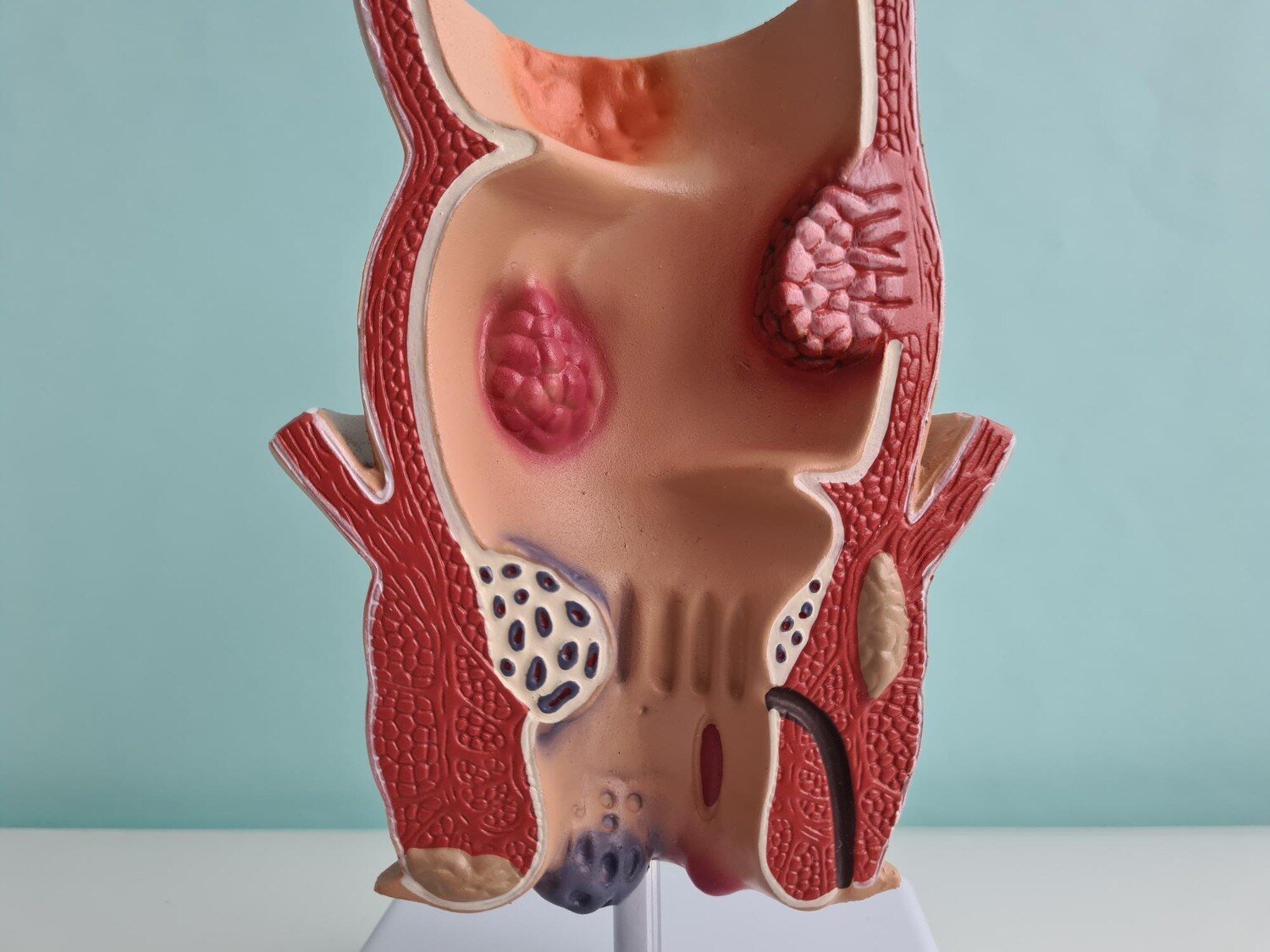
Sharp pain linked to bowel movements points toward a fissure, while constant throbbing pain, swelling, fever or worsening redness raises concern for a perianal abscess. You will be able to recognise urgent warning signs, understand the different recovery pathways and choose follow-up that matches the treatment you actually receive.
Key takeaways
- Fissure pain often follows bowel movements; abscess pain tends to become constant and throbbing.
- Fever, swelling, pus, or worsening pain needs prompt assessment for an abscess.
- Fissure recovery focuses on soft stools, hydration, prescribed medicines, and avoiding straining.
- After abscess drainage, keep the wound clean and attend follow-up until healing is confirmed.
How can you tell a fissure from a perianal abscess?
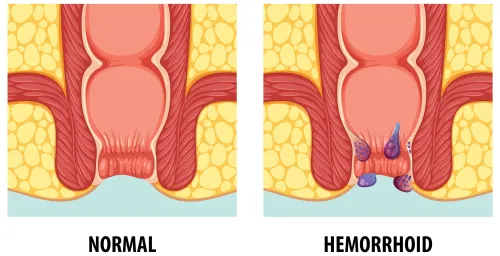
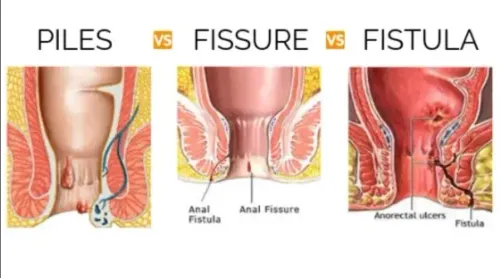
An anal fissure is a tear in the anal lining. A perianal abscess is a pus-filled infected cavity beneath or beside the skin. Their pain patterns overlap, but the differences below are useful warning signs.
| Condition | Typical pain | Physical clues |
|---|---|---|
| Anal fissure | Sharp or burning pain during and after a bowel movement | Small amount of bright-red blood; usually no tender lump |
| Perianal abscess | Constant, throbbing pain that worsens when sitting | Tender lump, warmth, redness or swelling |
| Deep abscess | Persistent deep pain or pressure | Little visible swelling; no lump does not exclude infection |
Arrange same-day clinical assessment in Bangalore, or emergency care when you feel severely unwell, if you have:
- Fever or chills
- Rapidly increasing swelling or redness spreading into nearby skin
- Difficulty passing urine
- Severe, constant or escalating pain
- Diabetes, immune suppression, inflammatory bowel disease or a history of abscesses
Do not squeeze, puncture or self-drain a lump. You can force infection deeper, worsen tissue damage or delay proper drainage. Fibre, stool softeners and home remedies may support fissure care, but they cannot empty an abscess; leftover antibiotics cannot replace examination and drainage.
Suspected infection needs clinical assessment, not a self-diagnosis based on piles or familiar fissure symptoms. Planning fissures and perianal abscess recovery care in Bangalore starts with confirming whether the problem is a tear, a superficial abscess or a deeper infection.
What does a normal fissure recovery pathway involve?
An uncomplicated fissure usually recovers over weeks by confirming the diagnosis, softening bowel movements and relaxing the anal sphincter when needed.
1. A clinician examines the anus to confirm a fissure and exclude an abscess. Do not treat a tender lump as a fissure without assessment.
2. Increase fibre gradually toward an intake that produces soft, formed stools. Add fluids and use a prescribed stool softener or bulk-forming treatment when advised. Sudden high-fibre intake can cause bloating without preventing straining.
3. Use warm sitz baths for comfort, follow the recommended pain-control plan and avoid pushing during bowel movements. The target is a soft stool passed without straining, not frequent loose stools.
4. A persistent or recurrent fissure may need prescribed topical glyceryl trinitrate or a topical calcium-channel blocker. Keep the review appointment even if pain improves: the tear can remain, treatment can cause side effects, and recurrence needs a different plan.
5. If medical treatment fails, clinicians may consider botulinum toxin injection or lateral internal sphincterotomy. Sphincterotomy often heals chronic fissures effectively, but it can affect control of gas or stool. Discuss extra risk after childbirth-related sphincter injury, existing incontinence, inflammatory bowel disease or previous anorectal surgery.
6. Ask a fissure treatment clinic in Bangalore how it confirmed fissure rather than abscess, what review date is planned and which procedure risks apply to you. A clear escalation plan matters more than a promise of rapid recovery.
What recovery care follows perianal abscess drainage?
Recovery after drainage centres on wound care, not pain relief alone. Examination confirms the collection; MRI pelvis is reserved for a deep, recurrent, horseshoe-shaped or fistula-related problem. Incision and drainage opens the cavity through a small incision, which is often left open so infected material can escape.
Use pads or dressings for drainage, clean the area as instructed, and follow the surgeon’s bathing and packing directions. Soreness should gradually improve after initial relief; worsening pain suggests blockage, recurrent infection or inadequate drainage. Deep, horseshoe or supra-levator abscesses may require examination under anaesthesia or more extensive hospital treatment.
For useful perianal abscess follow up in Bangalore, stay connected with the treating anorectal or colorectal service until the cavity heals, rather than assuming one postoperative visit is enough.
| Option | Purpose | When it applies |
|---|---|---|
| Incision and drainage | Removes infected material | Core treatment for a perianal abscess |
| Antibiotics | Treats surrounding or systemic infection | Cellulitis, systemic illness, substantial immunosuppression or another high-risk condition; not a replacement for drainage |
| MRI pelvis | Maps hidden disease | Deep, recurrent, horseshoe-shaped or fistula-related abscess |
- Returning fever or spreading redness
- Increasing pain, urinary difficulty or failure of drainage
- Persistent drainage, or an opening that repeatedly closes and swells
How do fissure recovery and abscess recovery differ day to day?
The procedure determines the routine. The practical difference in fissure recovery versus abscess care is stool control after fissure treatment, but wound management after drainage.
| Procedure | Daily focus | Sitting, work and activity |
|---|---|---|
| Fissure treatment | Keep stools soft and avoid straining; plan toilet access, fluids and prescribed pain relief | Bowel movements can still cause sharp or burning pain. Sitting, commuting and work are often manageable if pain is controlled. |
| Abscess drainage | Manage an open or draining wound with pads, dressing changes, cleaning, bathing and packing exactly as instructed | Arrange supplies, privacy and prompt review. Soreness is expected; pain that worsens after initial relief is not reassuring. |
A drained abscess needs practical planning for leakage and wound care, not just tablets. Follow the actual bathing instructions, and seek reassessment for fever, spreading redness, increasing pain, difficulty passing urine or failure of drainage.
Travel is unwise with fever, worsening pain, active swelling or wound care that you cannot perform reliably. Delay strenuous exercise until the treating clinician confirms that the incision and drainage pattern permit it.
Drainage treats the infected cavity; it does not automatically treat an anal fistula. Persistent drainage, a recurring lump, or a small opening that repeatedly closes and swells needs reassessment until the cavity heals and fistula suspicion is resolved. MRI pelvis is selective, not routine, and is considered for deep, recurrent, horseshoe-shaped or fistula-related disease.
Follow advice matched to your incision, anaesthesia and written wound instructions.
How should you choose and question a Bangalore anorectal service?
A sound consultation should tell you what problem is being treated, what happens if the first plan fails, and who answers an urgent call afterward.
| Diagnosis | Ask this | Why it matters |
|---|---|---|
| Fissure | Is the tear confirmed, and is examination alone enough? | An abscess needs different treatment. |
| Superficial abscess | Can incision and drainage be done safely as an outpatient? | Antibiotics do not replace drainage. |
| Deep or recurrent abscess | Do I need MRI pelvis, hospital drainage or examination under anaesthesia? | A deep or horseshoe collection can be missed. |
| Possible fistula | How will a persistent opening or repeated swelling be followed? | Recurrent “abscesses” may share an ongoing tract. |
Take this checklist to a Bangalore consultation:
- Tell the clinician about diabetes, immune suppression, inflammatory bowel disease, previous childbirth-related sphincter injury, incontinence and earlier anorectal surgery. Ask how each factor changes the plan.
- Request the exact procedure, anaesthesia, wound and packing instructions, expected pain pattern, sitting and travel restrictions, review date and same-day warning symptoms.
- Ask who handles returning fever, increasing pain, urinary difficulty, spreading redness or blocked drainage after treatment.
- Ask whether follow-up continues until the cavity heals, rather than ending after one postoperative visit.
Bharath Piles And Fistula Clinic is one Bangalore option to evaluate; compare its diagnostic process, escalation pathway and follow-up access, not a generic day-care promise. A responsible service will explain when outpatient care is unsuitable and when hospital drainage, examination under anaesthesia, imaging or colorectal referral is safer.
Frequently asked questions
How can you tell a fissure from a perianal abscess?
A fissure causes a sharp or burning pain during and after bowel movements, often with bright-red blood. An abscess more often causes constant, throbbing pain with a tender swelling, pus, fever, or chills. A clinician must confirm the diagnosis.
What does a normal fissure recovery pathway involve?
Recovery usually focuses on soft stools, adequate fluids, fibre, prescribed medicines, warm-water sitz baths, and avoiding straining. Seek review if pain, bleeding, or constipation persists.
What recovery care follows perianal abscess drainage?
Follow the drainage instructions, clean the area as directed, change dressings when instructed, take prescribed medicines, and attend follow-up. Contact the service urgently for fever, spreading redness, increasing pain, or persistent pus.
How do fissure recovery and abscess recovery differ day to day?
Fissure care aims to prevent painful bowel movements and allow the tear to heal. Abscess care includes wound monitoring after drainage and checking for ongoing infection or a fistula.
How should you choose and question a Bangalore anorectal service?
Ask who will examine you, how the diagnosis will be confirmed, whether drainage is needed, what wound-care instructions you will receive, and when follow-up occurs. Ask for clear emergency contact instructions and the expected recovery timeline.
Keywords