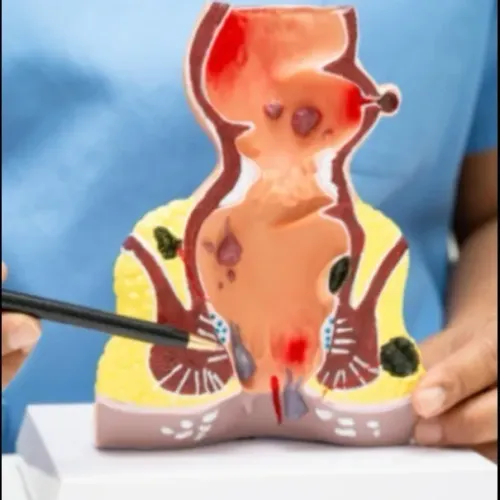
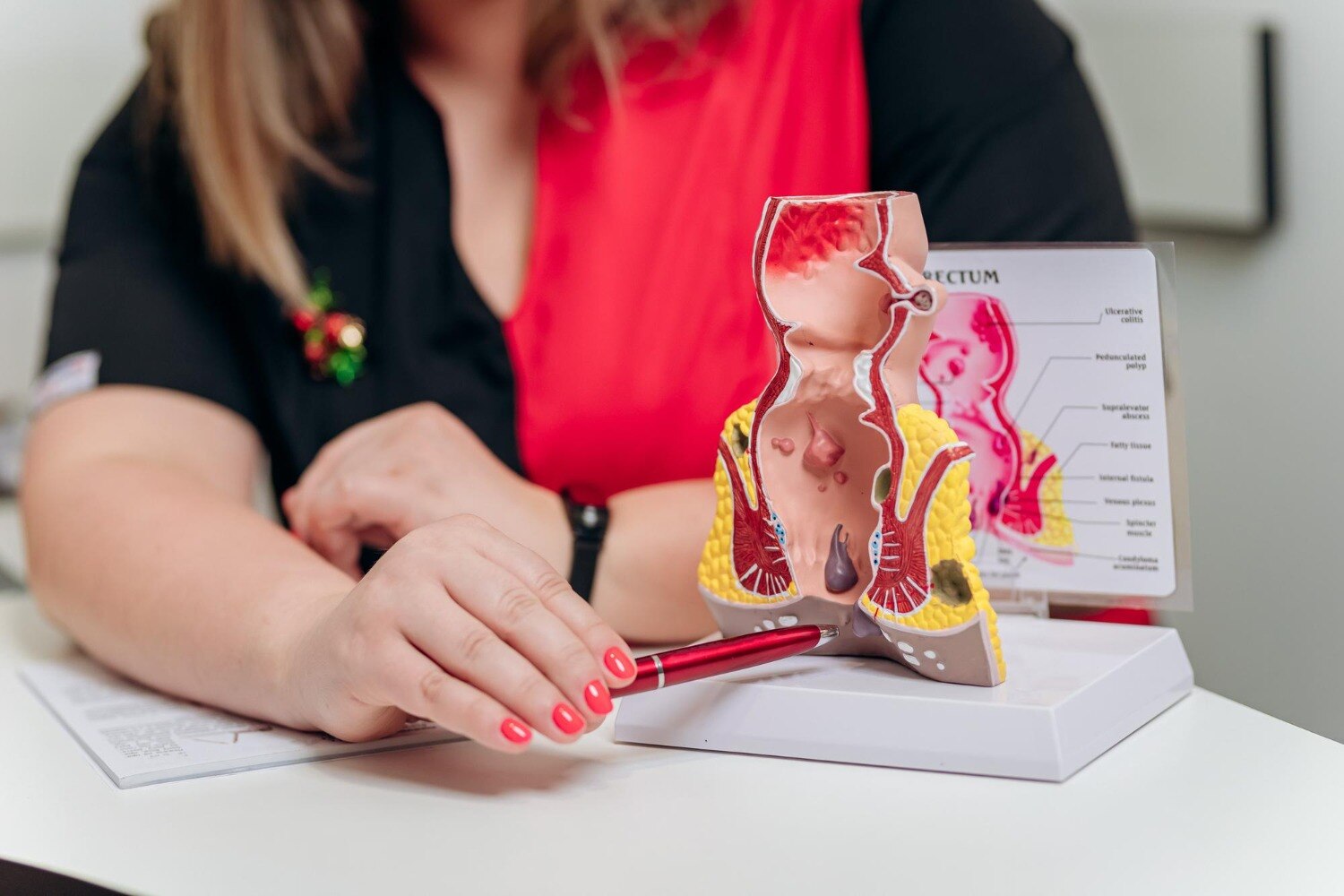
A painful lump, fever and rapidly worsening swelling point to an active abscess that needs prompt assessment, while a recurring opening with intermittent drainage points to a fistula that requires anatomy-led planning. By the end, you will know which warning signs need same-day care, what tests a specialist may use, and how treatment choices balance healing, recurrence and continence.
Key takeaways
- An abscess is a pus-filled infection; a fistula is a persistent tunnel to the skin.
- Seek same-day assessment for severe pain, fever, swelling, or difficulty passing urine.
- Ask how examination and imaging will identify the fistula’s tract before treatment.
- Compare drainage, fistula procedures, and non-operative claims by safety and suitability.
Fistula versus perianal abscess: which condition matches your symptoms?
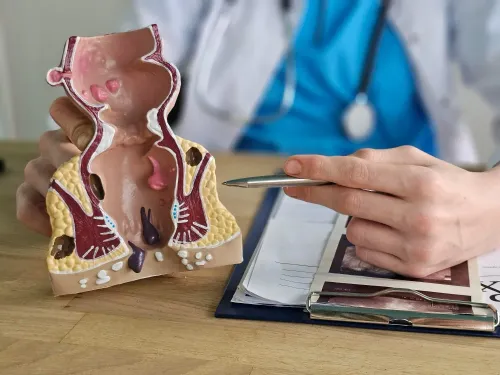
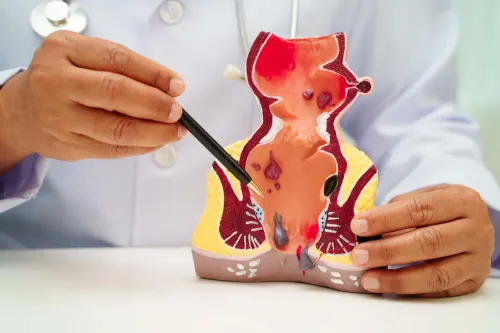
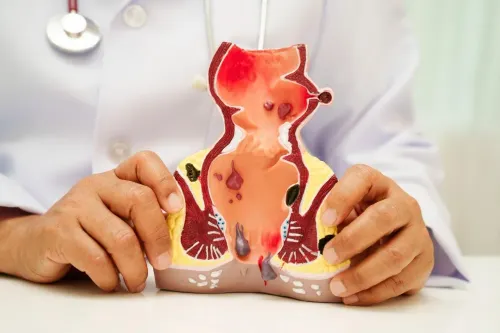
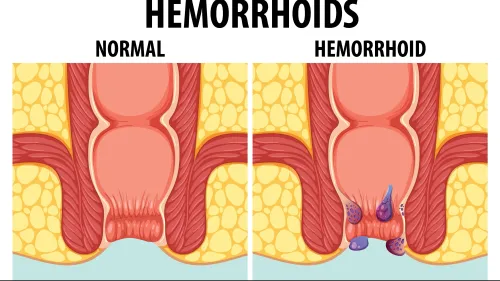
A perianal abscess is an infected pocket of pus; a fistula is a lasting tunnel between the anal canal or rectum and nearby skin. An abscess can create a fistula after it drains or receives treatment, but these conditions are not interchangeable.
| Condition | Clues you can notice | What the pattern suggests |
|---|---|---|
| Perianal abscess | Constant throbbing pain, a tender enlarging lump, redness, warmth, fever and difficulty sitting | Active infection needing prompt examination; a deep abscess can cause severe pain or fever without an obvious lump |
| Anal fistula | A persistent external opening, intermittent pus or blood drainage, skin irritation and recurrent swelling | A lasting tract, especially when drainage continues or the opening fails to heal |
| Pilonidal sinus | One or more openings in the midline natal cleft near the tailbone, often with local drainage or tenderness | A separate condition from an anal fistula; its anatomy and treatment differ |
A wound that drains after an abscess does not prove a fistula immediately. The opening can be part of normal healing; suspicion rises when drainage persists, swelling returns, another abscess forms, or the opening remains after the skin should have healed.
An opening close to the anus points toward an anal fistula, while a midline natal-cleft opening points toward pilonidal sinus. Seek same-day assessment for fever, chills, spreading redness, rapidly worsening pain, weakness, severe rectal pain or inability to pass urine. Do not squeeze, lance or puncture a painful lump.
Which symptoms require same-day assessment in Bangalore?
Fever, chills, rapidly increasing pain or swelling, spreading redness, marked weakness, severe rectal pain or inability to pass urine require same-day medical assessment in Bangalore. Do not wait for a routine fistula appointment. Diabetes or immune suppression lowers the threshold further because infection can spread faster and produce fewer visible warning signs.
| Finding | What it can mean | Decision |
|---|---|---|
| Tender, enlarging lump with warmth or redness | Superficial perianal abscess | Same-day examination |
| Severe pain or fever without a visible lump | Deep or occult abscess | Same-day assessment |
| Recurrent drainage after swelling settles | Possible fistula | Prompt specialist review |
| Redness spreading beyond the lump, weakness or chills | Cellulitis or systemic infection | Urgent medical care |
| Difficulty or inability to pass urine | Swelling affecting urinary function or severe infection | Immediate assessment |
Do not squeeze, lance or puncture a painful lump at home. You can push infection deeper, cause bleeding and make later treatment harder. For fistula or perianal abscess treatment in Bangalore, ask whether the clinician has found a drainable abscess: incision and drainage is the primary treatment, and antibiotics alone do not replace it.
Antibiotics can be added for cellulitis, systemic illness, immune suppression or another defined high-risk feature. A deep abscess can hurt intensely before any lump appears.
What examination and imaging reveal before treatment
The decisive finding is the tract’s relationship to the internal and external anal sphincters, not simply the presence of an external opening. A low, simple tract involving little muscle differs greatly from a tract that crosses substantial sphincter tissue.
- Inspect the anus and surrounding skin for an external opening, discharge, scars, redness, swelling and a second opening. Check whether the opening sits beside the anus or in the midline natal cleft, where pilonidal sinus is a different condition.
- Perform a digital rectal examination when pain allows. The clinician assesses tenderness, a mass, induration, the internal opening and baseline continence; severe acute pain may make this unsafe or unhelpful.
- Use proctoscopy or anoscopy to inspect the anal canal for an internal opening, inflamed crypt, bleeding, another lesion or signs suggesting inflammatory bowel disease.
- Request pelvic MRI when the fistula is complex, recurrent or branching, when an abscess is occult, Crohn’s disease is suspected, or when a horseshoe tract may extend around the anus. MRI is not mandatory for every obvious, superficial fistula; it should answer a management question rather than replace examination.
- Add endoanal ultrasound when defining sphincter involvement will change the operation. Examination under anaesthesia helps locate a difficult internal opening, drain hidden sepsis or map a tract that cannot be assessed safely while awake.
Complex disease includes substantial sphincter involvement, branching tracts, recurrence, Crohn’s disease or previous surgery. These findings can shift treatment away from fistulotomy toward a sphincter-preserving plan.
How do drainage, fistula procedures and non-operative claims compare?
A drainable abscess needs urgent incision and drainage, not a wait-and-see approach. After the acute infection settles, review the area for a fistula; an abscess cavity and a persistent anal tract require different treatment logic.
| Option | Main purpose | Trade-off or next step |
|---|---|---|
| Incision and drainage | Empty an acute abscess | Wound care and review; antibiotics alone do not replace drainage |
| Fistulotomy | Open a low, simple tract directly | Divides tissue; more sphincter involvement raises continence risk |
| Loose draining seton | Control sepsis and maintain drainage | Often a bridge to later treatment, or long-term control; it does not prove closure |
| Cutting seton | Gradually divide a selected tract | Progressive sphincter division can affect continence |
| LIFT | Close a tract while limiting sphincter division | Staged care, wound care and variable healing or recurrence |
| Endorectal advancement flap | Cover the internal opening without deliberately dividing much sphincter | Recovery and healing vary; recurrence remains possible |
| Fibrin glue or fistula plug | Sphincter-sparing closure attempt | These are procedures, not medicines, and results vary |
Antibiotics, creams, sitz baths and spontaneous drainage can relieve symptoms or treat associated infection, but they usually do not close a cryptoglandular fistula. Medical therapy becomes central when Crohn’s disease causes the fistula, with gastroenterology involved.
If you search for non operative fistula treatment in Bangalore, ask whether the proposal controls symptoms or closes the tract. Discuss wound care, recovery time, staged procedures and recurrence before choosing; a treatment that protects continence can require longer follow-up and more than one procedure.
How should you choose a fistula specialist in Bangalore?
Choose a clinic that bases its recommendation on your anatomy, urgency and continence history—not on one procedure offered to everyone. A suitable fistula clinic in Bangalore will assess baseline continence, find the internal opening, map sphincter involvement and check for Crohn’s disease or another cause.
Before accepting a plan, ask:
- Is this an abscess requiring drainage now?
- Do I need an MRI pelvis or examination under anaesthesia?
- How much sphincter would the proposed procedure divide?
- Is a loose seton a bridge to definitive treatment or the intended long-term treatment?
- What wound care, follow-up visits and recovery restrictions apply?
| Option | What the specialist should explain | Main trade-off |
|---|---|---|
| Fistulotomy | Why the tract is low enough for safe division | Direct treatment, but continence risk rises with sphincter involvement |
| Loose seton | Whether it controls sepsis before another procedure | Drainage and control, not proof that the fistula is closed |
| LIFT or advancement flap | Why sphincter-sparing treatment suits your tract | Preserves sphincter, but healing and recurrence vary |
MRI is useful for branching, recurrent or complex disease, occult abscesses and suspected Crohn’s disease; it is not mandatory for every obvious superficial fistula. A clinic discussing fistula or perianal abscess treatment in Bangalore should explain what each test will change.
You can compare Bharath Piles And Fistula Clinic with other Bangalore providers by asking for this anatomy-based explanation. Choose the plan that matches the tract, urgency, continence risk and underlying cause.
Frequently asked questions
What is the difference between a fistula and a perianal abscess?
A perianal abscess is an infected pocket of pus. A fistula is a lasting tunnel connecting the anal canal or rectum with nearby skin. An abscess can lead to a fistula, but they require different assessments and treatment.
Which symptoms require same-day assessment in Bangalore?
Severe or worsening anal pain, a rapidly growing swelling, fever, chills, pus, or difficulty passing urine require same-day medical assessment.
What examination and imaging are used before treatment?
A specialist examines the skin opening, swelling, tenderness, and drainage, then decides whether imaging is needed to map an abscess or fistula tract before treatment.
How do abscess drainage and fistula procedures differ?
Abscess treatment focuses on releasing infected pus. Fistula treatment focuses on managing the tunnel while protecting the anal sphincter, so the procedure depends on its course and complexity.
How should you choose a fistula specialist in Bangalore?
Choose a specialist who explains the diagnosis, maps the fistula when needed, discusses alternatives and risks, and distinguishes confirmed treatment options from non-operative claims.
Keywords