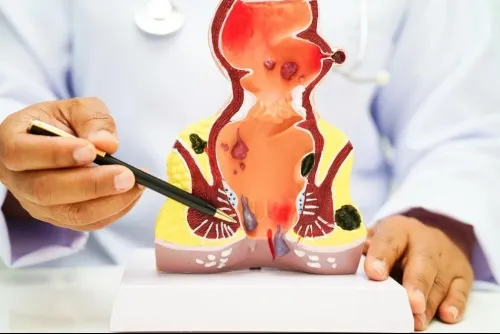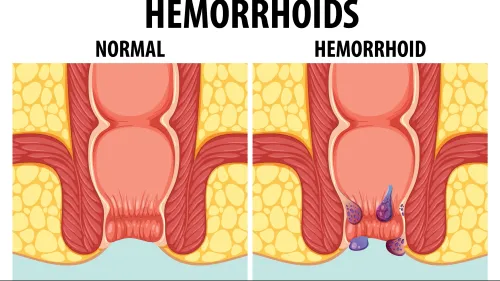


Piles can begin with mild discomfort and gradually become more troublesome if bowel habits, constipation, or repeated straining continue. Also known as hemorrhoids, piles are swollen blood vessels in or around the anal canal. They are common, but the symptoms should not automatically be assumed to be harmless.
For people in Bangalore, long working hours, prolonged sitting, irregular meal timings, inadequate hydration, and low-fibre diets can contribute to constipation and straining. Understanding the early signs can help you decide when a medical assessment is appropriate.
What Are the Common Symptoms of Piles?
Piles can be internal or external, and symptoms vary depending on their location and severity. Common signs include:
- Bright red blood after passing stool
- Itching or irritation around the anus
- Pain or discomfort during bowel movements
- A lump or swelling near the anal opening
- A feeling that the bowel has not emptied completely
- Mucus discharge after passing stool
- Tenderness around the affected area
Internal piles may cause painless bleeding, particularly in the earlier stages. External piles are more likely to produce swelling, tenderness, or pain.
Is Rectal Bleeding Always Due to Piles?
No. Although bleeding during bowel movements is frequently associated with hemorrhoids, other digestive or anorectal conditions can produce similar symptoms.
Anal fissures, fistulas, inflammation, polyps, and other bowel conditions may also cause bleeding. This is why persistent or unexplained rectal bleeding deserves proper evaluation rather than self-diagnosis.
The colour, frequency, quantity, and circumstances of bleeding can provide useful clinical information.
Everyday Habits That May Make Symptoms Worse
Constipation and repeated straining place additional pressure on blood vessels around the rectum. Sitting on the toilet for extended periods may also contribute.
Helpful bowel habits generally include consuming fibre-rich foods, drinking adequate fluids, remaining physically active, and responding to the natural urge to pass stool rather than delaying it.
For Bangalore residents whose work involves long hours at a desk, taking regular movement breaks can also support healthier bowel habits.
When Should You Consider an Examination?
Medical evaluation becomes particularly important when bleeding keeps returning, pain becomes significant, a lump does not settle, bowel habits change unexpectedly, or symptoms continue despite basic dietary and lifestyle measures.
A focused examination helps establish whether the symptoms are actually caused by piles and, if so, their type and severity.
At Bharath Piles And Fistula Clinic, assessment of anorectal complaints can help distinguish hemorrhoids from conditions that may present similarly. Treatment decisions should be based on the diagnosis and individual clinical findings rather than symptoms alone.
Recognising piles symptoms early is useful, but accurate diagnosis matters just as much. Persistent bleeding, pain, swelling, or changes around the anal area should not simply be attributed to hemorrhoids without appropriate assessment.